In this article
What Makes Costa Rica an Ideal Destination for Volunteer Work?
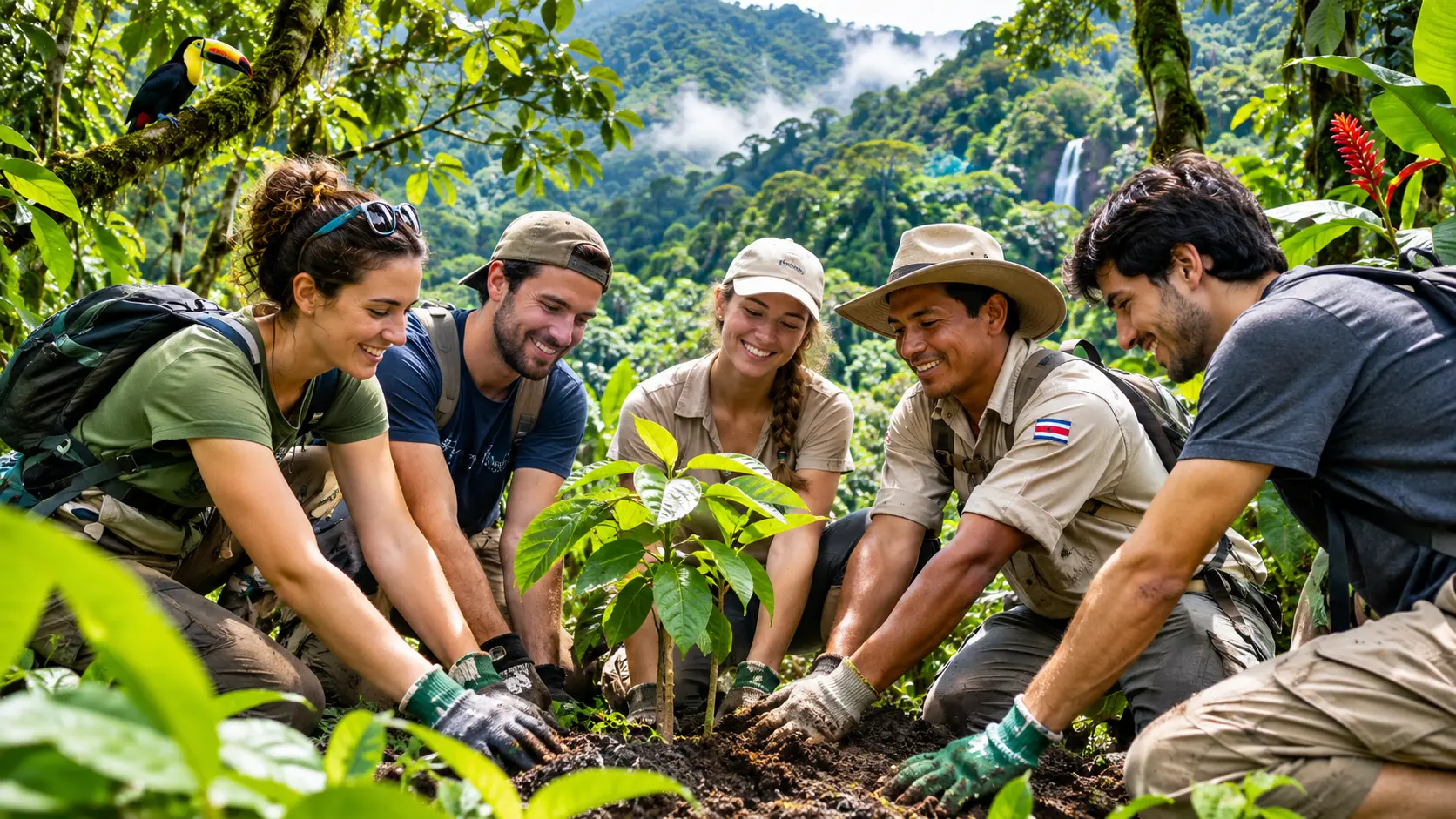
Costa Rica is widely admired for its natural beauty, welcoming communities, environmental awareness, and commitment to sustainable development. Beyond its beautiful beaches, tropical rainforests, and diverse wildlife, the country offers opportunities for international visitors to participate in meaningful community initiatives. Choosing to Volunteer in Costa Rica allows individuals to contribute their time, abilities, and enthusiasm while discovering a different culture and understanding the importance of responsible global citizenship. From supporting educational activities to protecting natural habitats, volunteering provides an opportunity to become involved in projects that address genuine community needs. It also encourages personal development, cultural awareness, and a deeper appreciation of how individuals can contribute positively to society.
Why Should Someone Consider Volunteering in Costa Rica?
Volunteering abroad can be a valuable experience for individuals who want to combine international travel with purposeful activities. Costa Rica offers an interesting environment because social development and environmental protection are important aspects of its national identity.
Volunteering also encourages patience, adaptability, teamwork, and problem-solving. These qualities can remain valuable long after the international experience has ended.
What Types of Volunteer Programs Are Available in Costa Rica?
Costa Rica offers diverse volunteering opportunities that accommodate different interests, abilities, and professional backgrounds. Participants can explore projects according to their personal goals and the needs of local organizations.
Some popular program categories include:
Teaching English: Educational volunteering provides opportunities to support children and adults who want to improve their English communication skills. Volunteers may assist with classroom activities, prepare learning materials, organize educational games, and provide individual support.
Childcare and Community Support: Volunteers can help community centers provide supportive environments for children. Activities may include assisting with homework, organizing creative exercises, participating in recreational activities, and helping maintain clean learning spaces.
Sea Turtle Conservation: Coastal conservation projects allow volunteers to participate in environmental protection activities. Depending on the project, responsibilities may include beach patrols, habitat monitoring, beach cleaning, and supporting educational initiatives.
Animal Care: Animal welfare projects involve helping local shelters and organizations care for abandoned or vulnerable animals. Feeding, grooming, cleaning, exercising, and assisting with general animal care are common responsibilities.
Eco-Agriculture: Volunteers interested in sustainable farming can support local agricultural communities. Activities may involve planting, harvesting, maintaining crops, and learning about environmentally responsible farming practices.
Medical and Healthcare Support: Individuals with appropriate qualifications may find opportunities to assist healthcare professionals and community organizations. Responsibilities depend on professional experience, project requirements, and local regulations.
Construction and Community Development: Participants can support projects involving the maintenance, improvement, or development of community facilities. Tasks may include painting, gardening, basic renovation, and assisting experienced local workers.
These options allow participants to select activities that match their interests while respecting the priorities established by project organizers.
What Responsibilities Should Volunteers Expect?
Volunteer responsibilities depend on the selected program, the organization hosting the project, and the needs of the local community.
Some assignments involve direct interaction with children, students, patients, or animals. Others focus on environmental activities, practical maintenance, research assistance, or community development.
Participants should expect to follow instructions from local coordinators and respect established working procedures. Flexibility is particularly important because project requirements can change according to weather conditions, available resources, and community priorities.
Volunteers may also perform routine responsibilities that seem less exciting than expected. Cleaning, organizing materials, preparing activity spaces, and assisting with administrative work can be essential to the success of a project.
A positive attitude and willingness to contribute wherever necessary help create a productive environment for everyone involved.
Do Participants Need Previous Volunteering Experience?
Previous volunteering experience is not always necessary. Many community projects welcome individuals who demonstrate enthusiasm, reliability, respect, and a genuine interest in helping others.
However, certain assignments require specialized knowledge or professional qualifications. Healthcare and medical placements, for example, may involve specific eligibility requirements. Construction projects can also require participants to follow safety procedures and work under experienced supervision.
How Long Should Someone Plan to Volunteer?
The ideal volunteering duration depends on personal availability, project requirements, and the type of contribution someone wants to make.
Short-term programs can introduce participants to community service and provide an opportunity to experience another culture. However, longer placements may allow volunteers to develop stronger relationships with local teams and gain a better understanding of ongoing initiatives.
What Accommodation and Support Can Volunteers Expect?
Accommodation and local support are important considerations when planning an international volunteering experience.
Depending on the selected program, participants may receive host-family accommodation, meals, airport pickup, and assistance from local coordinators. Living with a host family can provide a valuable introduction to Costa Rican culture, food, customs, and everyday communication.
It is equally important to review what is included in the selected placement and which personal travel arrangements remain the participant’s responsibility.
Is Learning Spanish Important for Volunteering?
Spanish is the primary language spoken in Costa Rica, so learning basic conversational expressions can make daily interactions easier.
Although some projects may provide opportunities to work with English-speaking coordinators or community members, Spanish can improve communication with local residents.
Learning greetings, common questions, directions, and basic instructions can help volunteers feel more confident. It also demonstrates respect for the local culture and encourages meaningful relationships.
Participants do not necessarily need to become fluent before arriving. However, approaching the experience with an interest in language learning can make community engagement more rewarding.
Volunteers should also remain patient when communication becomes difficult. Using simple expressions, listening carefully, and asking for clarification can help overcome language barriers.
How Can Volunteers Prepare Before Traveling?
Good preparation helps participants approach their assignments responsibly and enjoy a smoother transition into a different environment.
Before departure, volunteers should review their program information, travel documents, accommodation arrangements, and transportation details. Appropriate travel insurance and an understanding of local healthcare arrangements are also important.
Packing should reflect the selected project’s working conditions. Comfortable clothing, suitable footwear, personal hygiene products, insect protection, and weather-appropriate essentials can be useful.
Individuals joining outdoor conservation or agricultural activities should prepare for changing weather and physically demanding responsibilities.
How Does Volunteering Benefit Local Communities?
Responsible volunteering can support existing community initiatives by providing additional assistance, encouraging cultural exchange, and helping organizations continue their work.
Educational projects can create supportive learning environments, while environmental programs contribute to conservation awareness and habitat protection.
Animal welfare initiatives can benefit from consistent assistance with daily care, and community development projects may receive practical support with essential improvements.
However, volunteering should always be guided by local priorities. International participants should avoid assuming that they understand community needs better than the people who live there.
Sustainable volunteering focuses on cooperation, respect, and long-term benefits. It should strengthen existing initiatives rather than create unnecessary dependence or interfere with local employment opportunities.
When participants work under appropriate supervision, their contributions can become part of a broader effort to support community well-being.
What Personal Skills Can Volunteers Develop?
An international volunteering experience can encourage personal growth in several ways.
Working in an unfamiliar environment helps participants become more adaptable and comfortable with different approaches to problem-solving. Collaborating with people from diverse backgrounds can improve communication, teamwork, and interpersonal understanding.
Volunteers may also develop leadership skills by organizing activities, assisting project coordinators, and taking responsibility for assigned tasks.
How Can Someone Choose the Right Volunteer Program?
Selecting an appropriate program requires careful consideration of personal interests, qualifications, and expectations.
Prospective participants should begin by identifying the type of work they genuinely want to undertake. Someone passionate about wildlife conservation may prefer an environmental project, while an individual interested in education might find teaching or childcare more suitable.
It is equally important to research the organization managing the placement. Participants should understand its local partnerships, project objectives, supervision arrangements, accommodation provisions, and participant support services.
Asking questions before applying can prevent misunderstandings and help individuals make informed decisions.
How Can Volunteers Balance Travel and Community Responsibilities?
Costa Rica offers many opportunities to experience nature, local traditions, and different regions of the country. It is understandable that international visitors may also want to explore their surroundings during their stay. However, balancing travel with volunteering requires thoughtful planning.
Participants should first understand their programme schedule, working hours, and attendance requirements. Personal trips and sightseeing activities should be arranged around those responsibilities rather than interfering with project commitments. A well-planned itinerary can make it easier to enjoy free time without affecting the work they have agreed to undertake.
Travel planning has also become more convenient with digital tools. Some travellers use AI assistants to organise possible routes, compare activities, prepare packing lists, and structure their available time. For anyone interested in this approach, our guide to using Claude AI for travel planning explains how conversational AI can assist with itinerary preparation. Its suggestions should always be checked against local advice, transport availability, project timings, and current travel conditions.
Technology is also influencing how people explore destinations. For example, our article on AI-powered travel planning for Puerto Vallarta visitors looks at how digital assistance can help organise a trip to a different coastal destination. Although the location is not Costa Rica, the broader planning ideas can be useful when considering an international journey.
Why Should Volunteers Explore Costa Rica’s Natural Environment Responsibly?
One of the most rewarding aspects of volunteering in Costa Rica is the opportunity to understand its natural environment beyond the usual tourist experience. Rainforests, beaches, coastal ecosystems, and wildlife habitats are important parts of the country’s identity. Participants involved in conservation projects may develop a stronger appreciation of these environments through supervised activities and interaction with local conservation teams.
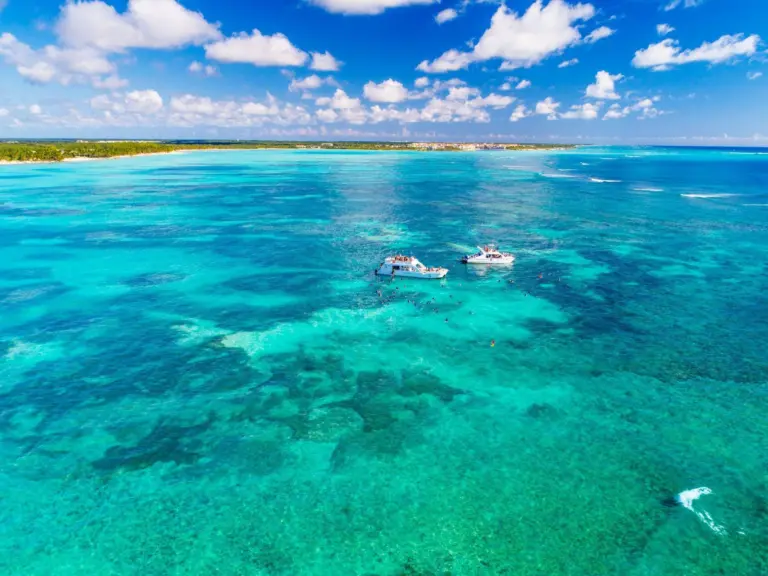
Coastal activities can also help visitors understand the importance of protecting marine environments. Snorkelling, wildlife observation, and responsible boating offer ways to appreciate marine ecosystems, provided that visitors follow local guidance and avoid disturbing wildlife. For a broader example of a marine leisure experience in another destination, see our feature on a catamaran and snorkelling day in Cap Cana. It offers a different perspective on coastal tourism and ocean-based experiences.
Volunteers should remember that recreational activities and conservation work have different purposes. Visiting a beach or observing marine life does not replace the work of trained conservation professionals. Respecting protected areas, following wildlife guidelines, and avoiding activities that damage natural habitats should remain priorities throughout the trip.
What Should Volunteers Consider Before Selecting a Project?
Choosing a volunteer placement involves more than finding an activity that sounds interesting. Participants should consider whether the project has clear objectives, appropriate supervision, and a genuine connection with the community it intends to support.
It is worth asking how the organisation measures progress, who manages daily activities, and whether local residents are involved in planning decisions. These questions can help prospective volunteers understand whether a programme is organised around meaningful community needs.
| What to Check | Questions to Ask | Why It Matters |
|---|---|---|
| Project objectives | What community or environmental need does the project address? | Clear objectives help participants understand the purpose of their work. |
| Local involvement | Are local organisations and residents involved in project decisions? | Community participation helps keep activities relevant. |
| Supervision | Who provides instructions and support during daily activities? | Proper guidance helps volunteers work safely and effectively. |
| Programme costs | What is included in the programme fee? | A clear cost breakdown makes financial planning easier. |
| Accommodation | Where will participants stay, and what facilities are available? | Suitable accommodation makes an extended placement more comfortable. |
| Expected contribution | What tasks will volunteers perform, and what skills are required? | Realistic expectations help participants select suitable assignments. |
How Can Volunteers Make Their Experience More Meaningful?
A successful volunteering experience is not only about completing assigned activities. It also depends on how participants approach their responsibilities, communicate with local people, and respond to the everyday realities of working in a different environment.
Small actions, such as arriving on time, listening carefully, and showing respect for local customs, can make a noticeable difference. Volunteers should try to understand the purpose of their projects before becoming involved in daily tasks. Someone assisting with an educational programme, for example, should learn about the learning objectives and the methods already used by local teachers.
Similarly, participants joining wildlife or environmental projects should understand the conservation guidelines established by the organisation. They should follow instructions from qualified coordinators and avoid taking independent decisions that could affect animals, habitats, or community activities.
Respect local knowledge: Listen to community members and follow the guidance of people who understand local needs.
Be consistent: Complete assigned responsibilities carefully, including routine tasks.
Work as part of a team: Cooperate with local coordinators and other volunteers.
Stay open to learning: Treat unfamiliar customs and working methods as opportunities to develop understanding.
Consider long-term impact: Support existing projects rather than interfering with local employment or community priorities.
What Does the Volunteer Journey Usually Look Like?
Although every programme has its own structure, most international volunteering experiences follow a series of practical stages. Understanding this process can help participants prepare for the transition from planning to active involvement.
Why Is Responsible Volunteering Important for Sustainable Development?
Responsible volunteering recognises that communities have their own knowledge, priorities, and long-term development goals. International participants can offer useful assistance, but their involvement should complement local expertise rather than replace it.
This distinction is especially important in environmental conservation, education, animal welfare, and community development. Projects should have clear responsibilities, appropriate supervision, and realistic expectations about what temporary participants can achieve.
For example, a conservation programme may benefit from volunteers helping with supervised habitat monitoring or organised clean-up activities. However, important decisions about environmental management should remain with qualified professionals and relevant local organisations.
Similarly, educational volunteers should support established learning programmes instead of assuming responsibility for activities beyond their experience or qualifications. When participants understand these boundaries, their involvement is more likely to be constructive.
Ultimately, the value of volunteering is not measured only by the number of tasks completed. It also comes from cooperation, cultural understanding, respect for local knowledge, and a willingness to contribute in a responsible way.
Final Thoughts: Why Is Volunteering in Costa Rica a Meaningful Experience?
Costa Rica provides an inspiring setting for individuals who want to explore a new culture while contributing to community development and environmental protection. Its diverse landscapes, welcoming communities, and variety of volunteer opportunities create possibilities for meaningful international experiences.
Use the key points in this guide to understand the topic and make more informed decisions.

This guide is researched and edited using relevant documentation, reliable sources and publicly available information.
Was this guide helpful?
Your feedback helps us improve future guides.