In this article
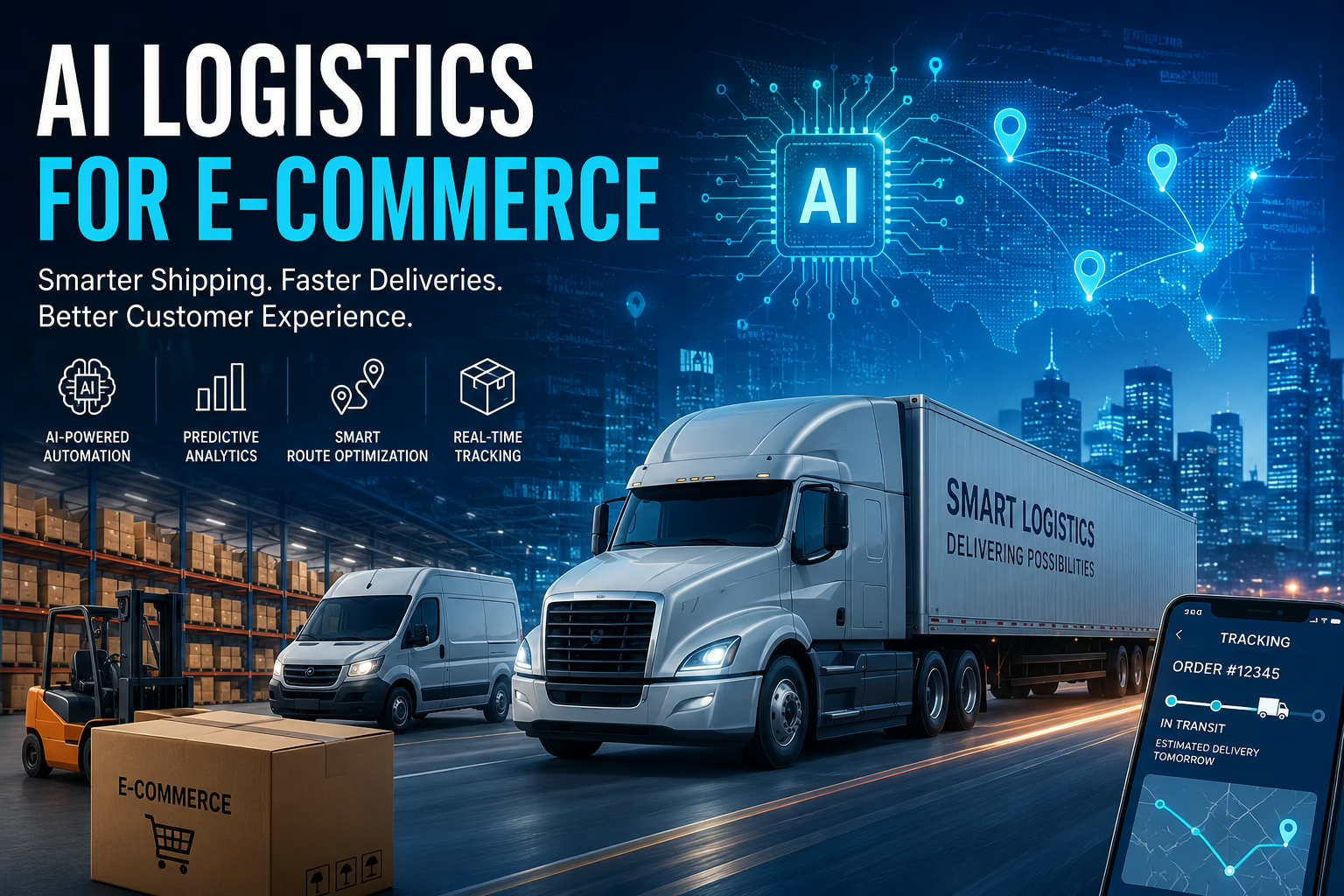
Artificial intelligence is transforming the logistics industry, helping online retailers automate fulfillment, optimize delivery routes, and improve customer satisfaction. As AI logistics for e-commerce becomes more advanced, businesses are finding new ways to simplify shipping across country through predictive analytics, machine learning, real-time tracking, and automated shipping management systems. These technologies allow sellers to reduce operational costs while delivering a faster and more reliable customer experience.
AI Logistics for E-Commerce: Why It Matters More Than Ever
The global eCommerce industry is becoming increasingly dependent on intelligent logistics systems. As online retailers process thousands of orders daily, managing inventory, delivery schedules, transportation networks, and customer expectations has become far more complex than traditional logistics models were designed to handle.
This is where AI Logistics for E-Commerce is creating a significant competitive advantage. By combining artificial intelligence, machine learning, predictive analytics, and automation, businesses can transform large volumes of operational data into actionable insights.
Modern AI-powered logistics platforms continuously analyze variables such as shipping routes, warehouse inventory, order volumes, weather conditions, fuel costs, and customer behavior. This allows businesses to make faster and more accurate decisions while minimizing operational inefficiencies.
According to industry experts, logistics organizations that embrace AI-driven technologies are better positioned to reduce transportation costs, improve delivery accuracy, and enhance customer satisfaction. These improvements are becoming increasingly important as consumers expect faster deliveries and real-time shipment visibility.
Businesses looking to understand the foundations behind these innovations can explore our guides on Artificial Intelligence, Types of Artificial Intelligence, and Machine Learning to see how intelligent systems are reshaping modern industries.
How Machine Learning Is Making Shipping Smarter
Machine learning has become one of the most valuable technologies in modern logistics operations. Unlike traditional rule-based software, machine learning algorithms continuously improve by analyzing historical shipping data and identifying patterns that humans might overlook.
For eCommerce companies, machine learning enables:
- Demand forecasting based on customer behavior
- Intelligent inventory management
- Delivery time prediction
- Route optimization
- Fraud detection in shipping transactions
- Automated logistics planning
As machine learning models process more operational data, they become increasingly accurate, helping businesses improve efficiency and reduce fulfillment costs.
This technology is particularly valuable during seasonal sales events, product launches, and peak shopping periods when logistics networks experience significant pressure.
AI-Powered Customer Experience in Logistics
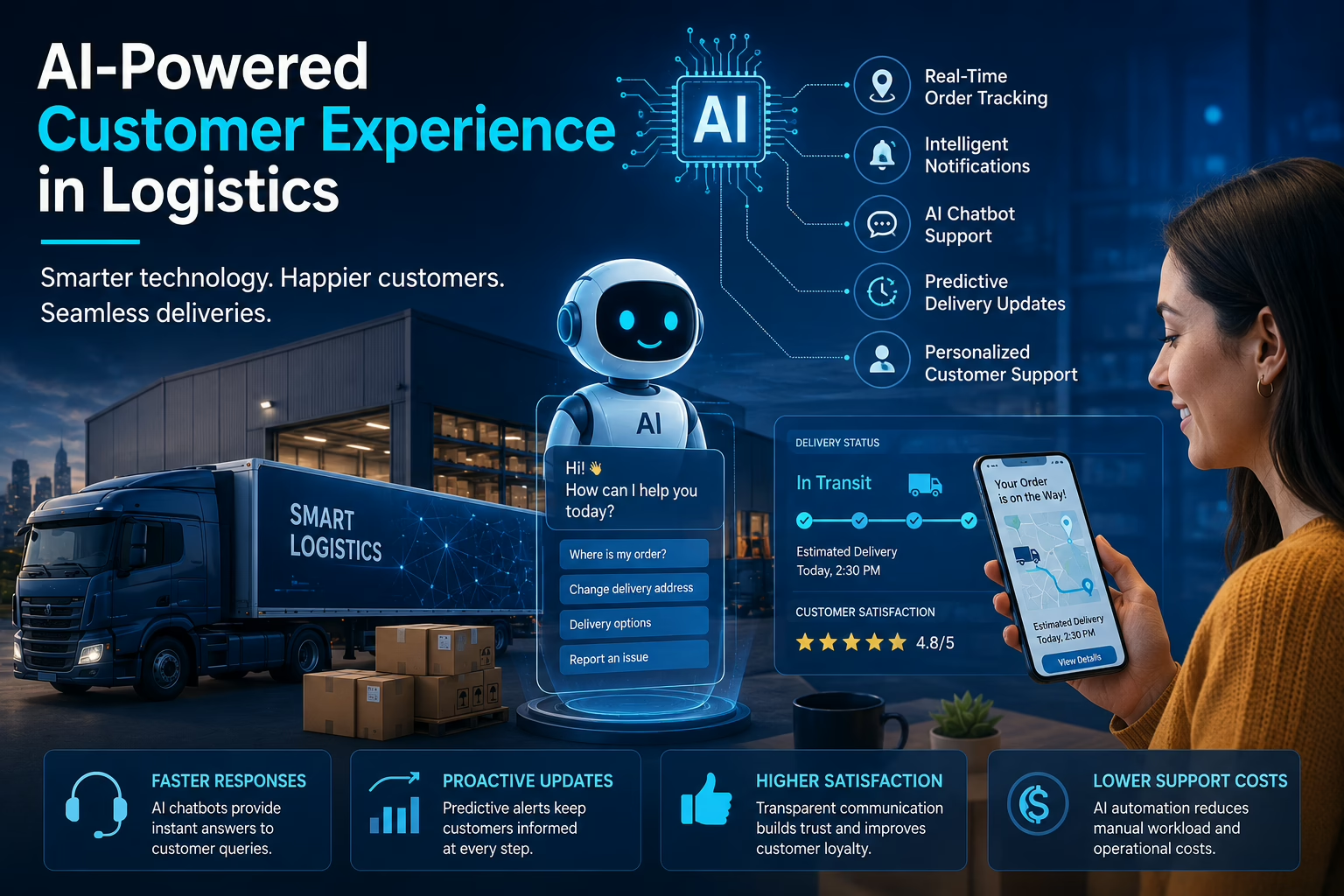
Customer experience has become a critical differentiator in eCommerce. Even a high-quality product can result in a poor customer experience if shipping delays or communication issues occur.
AI-powered logistics platforms improve customer satisfaction through:
- Real-time shipment tracking
- Automated delivery notifications
- Intelligent support chatbots
- Predictive delay alerts
- Personalized delivery updates
Many organizations now deploy AI Customer Support systems that automatically answer shipping inquiries and provide customers with instant order updates.
This reduces support workloads while improving response times and customer trust.
Predictive Analytics and Intelligent Supply Chains
Predictive analytics is transforming logistics from a reactive process into a proactive strategy.
AI systems analyze historical delivery data, weather forecasts, traffic conditions, warehouse performance, and consumer demand trends to identify potential disruptions before they occur.
Benefits include:
- Reduced shipping delays
- Improved route planning
- Better warehouse utilization
- Lower transportation costs
- Enhanced inventory forecasting
Predictive logistics enables businesses to solve problems before customers experience them, creating a significant operational advantage.
The Future of AI Logistics for E-Commerce
The future of AI Logistics for E-Commerce extends far beyond shipment tracking and route optimization.
Emerging innovations include:
- Autonomous delivery vehicles
- AI-powered warehouse robotics
- Digital supply chain twins
- Intelligent fulfillment centers
- Advanced predictive fulfillment networks
Today, most logistics systems rely on Narrow AI designed to perform specific tasks. However, future developments in advanced AI systems could create even more autonomous and intelligent logistics ecosystems.
Organizations investing in AI-powered logistics today are preparing for a future where automation, data intelligence, and machine learning become central components of supply chain management.
Expert Takeaway
AI Logistics for E-Commerce is no longer an emerging trend, it is becoming a business necessity. Companies that leverage artificial intelligence, machine learning, predictive analytics, and automation can significantly improve operational efficiency while delivering superior customer experiences.
As global eCommerce continues to expand, AI-powered logistics will play a critical role in helping businesses scale operations, reduce costs, and remain competitive in an increasingly technology-driven marketplace.
Frequently Asked Questions (FAQ)
What is AI Logistics for E-Commerce?
AI Logistics for E-Commerce refers to the use of artificial intelligence, machine learning, predictive analytics, and automation technologies to improve shipping, inventory management, route optimization, and fulfillment operations for online businesses.
How does AI improve shipping across country?
AI improves shipping across country by analyzing real-time logistics data, predicting delays, optimizing transportation routes, automating fulfillment processes, and providing accurate delivery estimates that help businesses improve efficiency and customer satisfaction.
What role does machine learning play in logistics?
Machine learning helps logistics companies analyze historical shipping data to forecast demand, predict delivery issues, optimize routes, improve inventory management, and automate operational decision-making.
Can AI reduce logistics costs?
Yes. AI-powered logistics systems can reduce transportation expenses, improve warehouse efficiency, minimize delivery delays, optimize fuel consumption, and automate repetitive processes, helping businesses lower operational costs.
Why is predictive analytics important in logistics?
Predictive analytics enables businesses to identify potential disruptions before they occur. By analyzing shipping patterns, weather conditions, traffic data, and customer demand, companies can proactively prevent delays and improve delivery performance.
Is AI Logistics suitable for small eCommerce businesses?
Absolutely. Many cloud-based logistics platforms offer affordable AI-powered tools that help small and medium-sized businesses automate shipping, improve tracking, and enhance customer experiences without requiring large infrastructure investments.
Expert Insights
According to logistics technology experts, AI is rapidly shifting supply chain management from a reactive model to a predictive model. Instead of responding to delays after they occur, businesses can use artificial intelligence to identify risks, forecast demand fluctuations, and optimize fulfillment operations in advance.
Industry analysts also note that machine learning-driven logistics systems continue improving over time as they process larger datasets. This allows businesses to achieve better route optimization, inventory forecasting, and customer satisfaction while maintaining operational efficiency.
As eCommerce competition intensifies, organizations that invest in AI-powered logistics are expected to gain significant advantages through faster delivery performance, smarter resource allocation, and improved customer experiences.
Editorial Note
This article is part of RCN Guide’s ongoing coverage of Artificial Intelligence, Machine Learning, Automation, and Emerging Technologies.
Our editorial team regularly researches how AI-driven innovations are transforming industries including logistics, eCommerce, cybersecurity, cloud computing, fintech, and customer experience management.
The information presented in this article is intended for educational and informational purposes and reflects current industry trends, technology developments, and best practices at the time of publication.
Sources & Further Reading
For readers interested in learning more about AI technologies discussed in this article, the following resources provide additional context:
- What Is Artificial Intelligence?
- Types of Artificial Intelligence
- What Is Machine Learning?
- AI Customer Support
- ChatGPT
- Narrow AI vs AGI vs Superintelligence
- AI Leadership
Additional industry references may include research published by logistics technology providers, supply chain analysts, artificial intelligence researchers, and eCommerce infrastructure companies.
About the Author
The RCN Guide Editorial Team covers emerging technologies, artificial intelligence, machine learning, cybersecurity, cloud computing, software innovation, fintech, and digital transformation.
Our contributors analyze industry developments, technology trends, and practical business applications to help professionals, entrepreneurs, and technology enthusiasts stay informed about the rapidly evolving digital landscape.
Learn more about AI, automation, and technology innovation through RCN Guide’s growing library of expert-driven content and research-based industry analysis.
Use the key points in this guide to understand the topic and make more informed decisions.

This guide is researched and edited using relevant documentation, reliable sources and publicly available information.
Was this guide helpful?
Your feedback helps us improve future guides.