In this article
Creative work is often seen as flexible, exciting, and full of freedom. Whether someone is running a photography business, managing a small design studio, producing content, organizing events, or building a personal brand, the outside view usually focuses on the final result. People see the finished campaign, the polished video, the stylish photoshoot, or the successful launch. What they do not always see is the amount of organization happening behind the scenes.
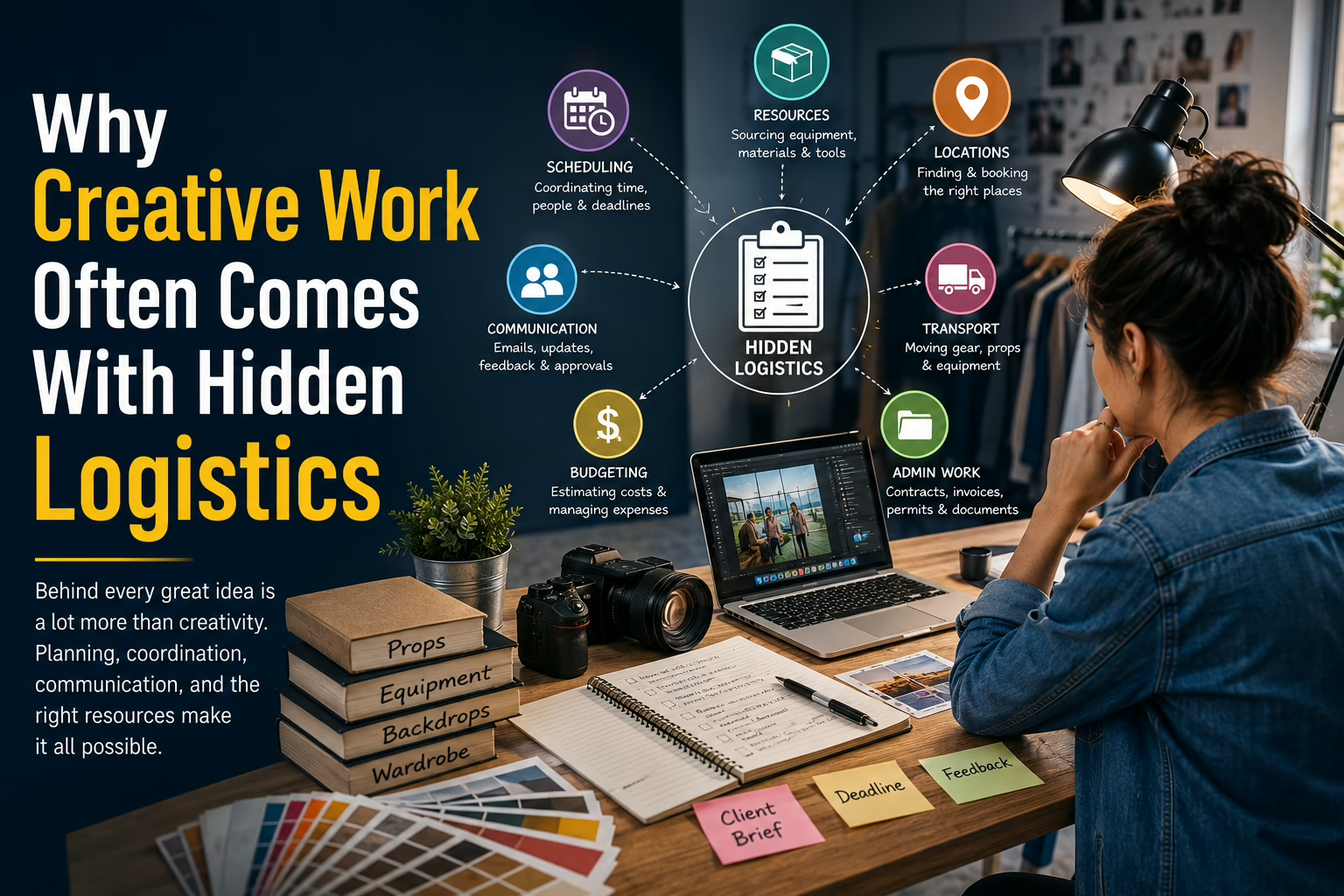
In reality, creative work comes with many hidden logistics. These tasks may not feel artistic, but they are often what allow the creative side to happen smoothly.
Planning Takes More Time Than People Expect
A creative idea can come together quickly, but turning that idea into a finished project usually takes careful planning. There are schedules to coordinate, materials to source, people to contact, locations to confirm, and deadlines to manage. Even a simple project can involve several moving parts.
For example, a photoshoot may require models, lighting, props, transport, permits, wardrobe, editing time, and client approvals. A podcast may need guest booking, recording equipment, file storage, editing software, publishing schedules, and promotion. The creative output might look effortless, but the planning rarely is.
Equipment And Materials Need Managing
Many creative professionals rely on tools that need to be stored, moved, maintained, or replaced. Cameras, microphones, laptops, lighting kits, art supplies, backdrops, display materials, instruments, and samples all require practical attention.
This becomes even more important when work takes place in different locations. A creative business based in a busy city may need to think carefully about how to move equipment safely and on time. For larger relocations, events, or project-based moves, services such as Brooklyn car shipping can be part of the wider planning process, especially when vehicles or essential transport need to be moved efficiently.
Communication Is A Big Part Of The Job
Creative work is not just about making things. It is also about communicating clearly with clients, collaborators, suppliers, venues, and audiences. Emails, contracts, briefs, feedback rounds, invoices, and approvals can take up a surprising amount of the working week.
This is why strong organization matters. When expectations are unclear, creative projects can quickly become stressful. Good communication helps keep everyone aligned and reduces the risk of missed deadlines or last-minute changes.
Admin Supports The Creative Process
Many creative people start out because they enjoy making something. Over time, they often discover that admin is a major part of keeping the work sustainable. Budgeting, tax records, insurance, booking systems, file management, licenses, and marketing all sit behind the scenes.
These tasks may not feel inspiring, but they create structure. When logistics are handled properly, there is more time and mental space for creativity. When they are ignored, even the best ideas can become difficult to deliver.
Flexibility Still Needs Structure
One of the appealing things about creative work is that it can be varied. Every project may be different, and no two weeks look exactly the same. However, flexibility only works when there is a solid structure underneath it.
Calendars, checklists, templates, and repeatable processes can help creative professionals stay focused without removing the freedom that makes the work enjoyable. The goal is not to make creativity rigid. It is to make the practical side easier, so the creative side has room to grow.
Creative work may look spontaneous from the outside, but behind every finished piece is a network of decisions, tasks, and logistics. The more smoothly those hidden details are managed, the easier it becomes to produce work that feels polished, professional, and genuinely creative.
How Technology Simplifies Creative Logistics
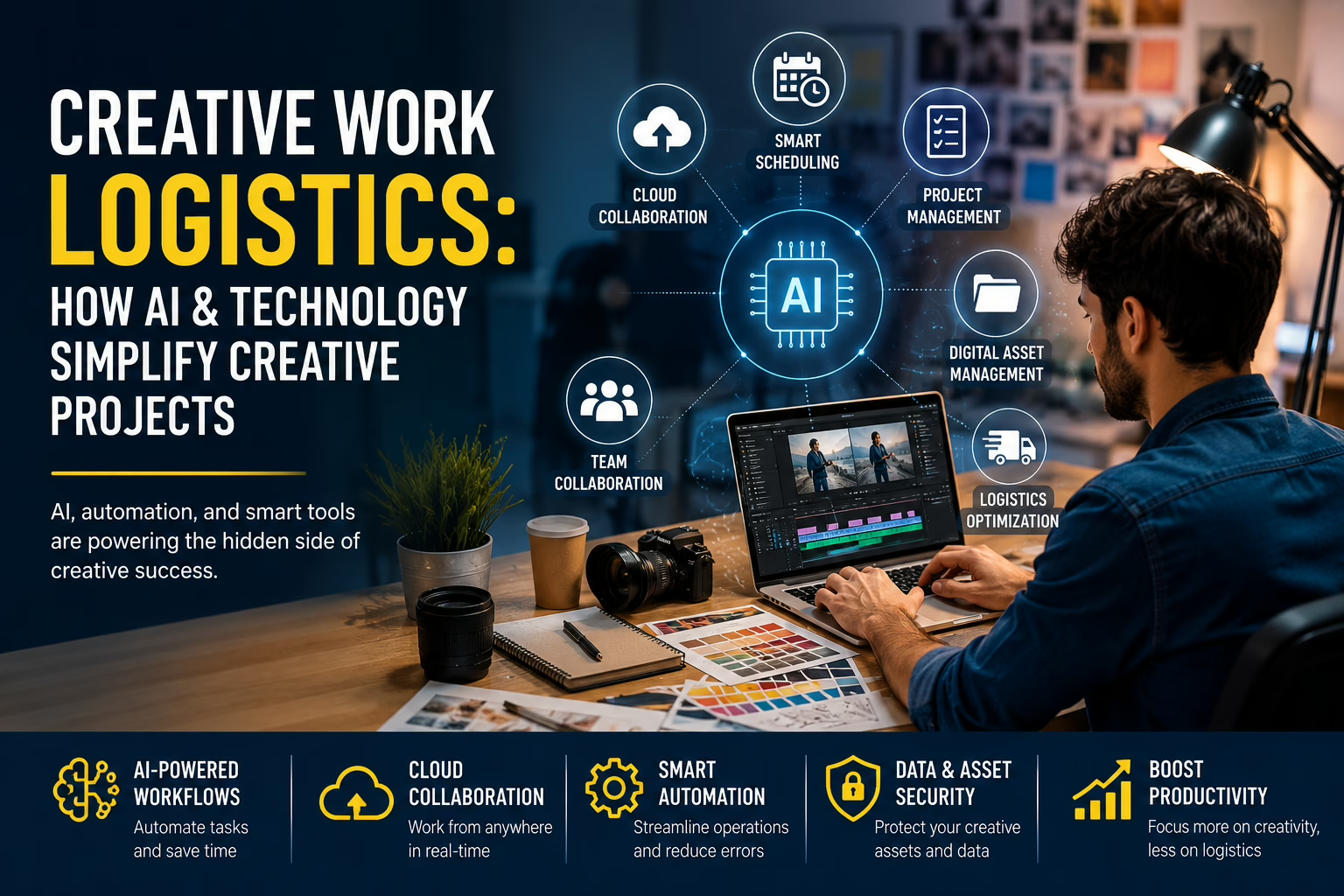
Technology has fundamentally changed how creative professionals manage projects from concept to completion. Instead of relying on spreadsheets, phone calls, and manual tracking, today’s photographers, designers, videographers, marketers, and agencies use intelligent software to coordinate every stage of production.
Cloud-based collaboration platforms allow distributed teams to work together in real time regardless of location. Files can be accessed securely, edits are synchronized instantly, and clients can review projects without endless email chains. Project management platforms help assign tasks, monitor deadlines, and automate repetitive workflows, reducing human error while improving accountability.
Artificial intelligence further enhances these workflows by automating scheduling, organizing digital assets, prioritizing tasks, and predicting project timelines. AI-powered assistants can summarize meetings, draft emails, generate content ideas, and even help creative teams estimate production costs based on previous projects.
For agencies handling multiple campaigns simultaneously, workflow automation minimizes delays and improves consistency. Instead of manually updating spreadsheets or tracking equipment, businesses can integrate inventory systems, cloud storage, customer relationship management (CRM) software, and communication tools into a single digital workspace.
As creative businesses continue to scale, investing in modern technology becomes less of a convenience and more of a competitive advantage.
Related Reading on RCN Guide
- Learn the fundamentals in What Is Artificial Intelligence.
- Understand What Is Machine Learning and how predictive algorithms improve planning.
- Explore Types of Artificial Intelligence to understand different AI capabilities.
- Discover the evolution from Narrow AI vs AGI vs Superintelligence.
- Learn how ChatGPT improves productivity for businesses.
- Read our complete Claude AI Master Guide for enterprise AI workflows.
- See how AI Customer Support automates business communication.
- Explore AI Leadership for managing technology-driven teams.
- Learn how AI Logistics for E-Commerce is transforming supply chains.
- Discover how AI-Powered Beauty Technology improves customer experiences.
How AI Is Transforming Creative Operations
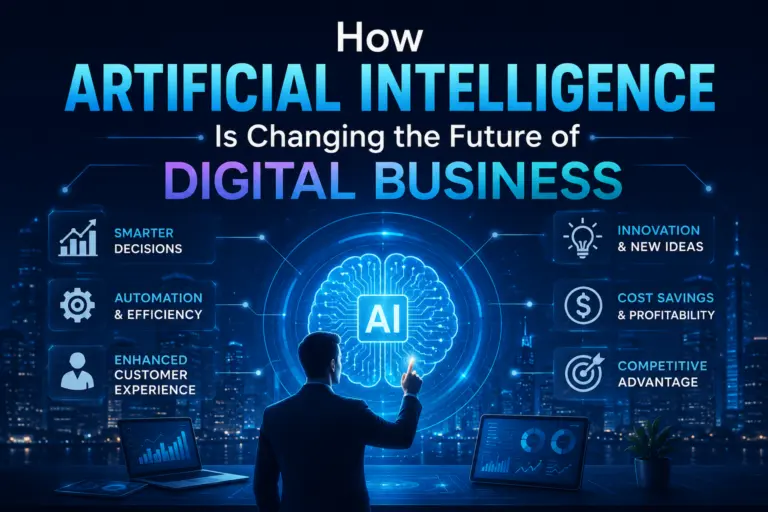
Artificial intelligence is becoming an essential business assistant rather than replacing human creativity. Modern AI systems analyze schedules, automate repetitive tasks, organize large media libraries, and provide intelligent recommendations based on historical project data.
Creative agencies now use AI to:
- Generate project timelines
- Organize thousands of digital assets
- Improve client communication
- Predict project bottlenecks
- Create first drafts of marketing copy
- Summarize meetings automatically
- Optimize resource allocation
- Improve team productivity
Generative AI tools also help creators brainstorm campaign ideas, produce image concepts, write documentation, and accelerate content production without replacing the creative decision-making process. Human expertise remains essential, while AI handles repetitive operational work.
As AI continues evolving, businesses adopting intelligent workflow automation are likely to become more productive, scalable, and competitive.
Cybersecurity Matters for Creative Businesses
Creative professionals often manage valuable intellectual property, client information, contracts, financial records, and proprietary designs. Protecting these digital assets is just as important as creating them.
Every creative business should implement:
- Multi-factor authentication (MFA)
- Encrypted cloud backups
- Password managers
- Secure file-sharing platforms
- Regular software updates
- Access control for team members
- Endpoint security solutions
Cybersecurity is no longer reserved for large enterprises. Even freelancers and small agencies benefit from adopting security best practices that reduce the risk of ransomware, data breaches, and accidental data loss.
Expert Insight
Editorial Perspective from RCN Guide
Modern creative businesses succeed when artistic talent is supported by intelligent systems. Artificial intelligence, cloud collaboration, and workflow automation reduce operational complexity, allowing creative professionals to focus on innovation, client satisfaction, and long-term business growth rather than repetitive administrative work.
Industry Statistics
Recent industry research highlights the growing importance of digital transformation across creative industries:
- More organizations continue adopting AI-powered productivity tools to automate repetitive business processes.
- Cloud collaboration platforms have become the standard for remote and hybrid creative teams.
- Workflow automation significantly reduces administrative workload while improving project visibility.
- Businesses investing in AI-assisted operations generally report improvements in efficiency, communication, and customer satisfaction.
- Digital asset management platforms help organizations organize rapidly growing multimedia libraries more efficiently.
Editorial Note
At RCN Guide, we explore how artificial intelligence, cloud computing, workflow automation, cybersecurity, and enterprise software are reshaping modern businesses. While creativity often receives the spotlight, successful creative projects also rely on efficient logistics, digital collaboration, and smart planning. This article explains how today’s technologies simplify behind-the-scenes operations so creators can spend more time innovating and less time managing repetitive administrative work.
Frequently Asked Questions
How does AI improve creative workflows?
AI automates scheduling, documentation, project planning, communication, and asset organization, allowing creative professionals to spend more time on high-value work.
Which software helps creative teams stay organized?
Project management platforms, cloud storage, CRM software, collaboration tools, and AI productivity assistants help streamline day-to-day operations.
Why are logistics important in creative industries?
Successful creative projects depend on equipment management, scheduling, transportation, communication, budgeting, and resource coordination—all of which contribute to timely project delivery.
How does cloud technology benefit creative professionals?
Cloud platforms enable secure collaboration, real-time editing, automatic backups, and remote access to important project files from anywhere.
Can automation replace creative professionals?
No. Automation handles repetitive operational tasks while human creativity, strategy, storytelling, and artistic decision-making remain essential.
Why should creative agencies invest in cybersecurity?
Creative businesses store valuable client data and intellectual property. Strong cybersecurity reduces risks associated with cyberattacks, accidental data loss, and unauthorized access.
Conclusion
Behind every successful creative project lies a sophisticated operational ecosystem powered by technology. Artificial intelligence, cloud computing, workflow automation, and secure digital collaboration have transformed how creative professionals manage logistics, communicate with clients, and deliver exceptional work. As digital transformation continues accelerating, organizations that combine creativity with intelligent technology will be better positioned to innovate, scale efficiently, and remain competitive in an increasingly connected business landscape.
About the Author
Reviewed by the RCN Guide Editorial Team
The RCN Guide editorial team specializes in artificial intelligence, enterprise software, cloud computing, cybersecurity, automation, productivity technology, and digital transformation. Our editorial process focuses on publishing evidence-based technology content supported by industry research, expert analysis, and practical business insights to help readers understand emerging technologies and their real-world applications.
Use the key points in this guide to understand the topic and make more informed decisions.

This guide is researched and edited using relevant documentation, reliable sources and publicly available information.
Was this guide helpful?
Your feedback helps us improve future guides.